IT之家 8 月 22 日消息,CNBC 昨日(8 月 21 日)发布博文,报道称在 Anthropic 的首次公开募股(IPO)招股说明书中,
把美国公众对人工智能的抵制情绪列为关键风险因素。报道称在旧金山举办“试探性推介”会议中,Anthropic 首席财务官 Krishna Rao 被反复问及竞争问题、开源模型带来的利润率压力,以及数据中心建设放缓可能产生的影响。IT之家援引博文介绍,与竞争对手 OpenAI 一样,Anthropic 为满足市场对先进模型和新服务的需求,正推动基础设施合作伙伴加快建设。科技行业的超大规模云服务商今年投入数千亿美元资本支出,用于建设数据中心,并采购填充这些设施所需的图形处理器。但公众态度并不支持这一扩张。盖洛普 5 月发布的调查显示,70%的美国人反对在所在地区建设人工智能数据中心,其中接近半数受访者“强烈反对”;约 25%的受访者表示支持。 In an industry celebrated for its grounded storytelling and ever-expanding creative scope, Malayalam cinema has always had a sharp eye for talent that can carry both wit and weight. And yet, there are some actors who arrive not with a bang, but like a slow-burning ember: steady, self-assured, and impossible to ignore once the smoke clears. Naslen K Gafoor is that ember. At 25, he already carries the quiet confidence of someone who knows exactly where he belongs: right at the heart of the new Malayalam wave.
Hailing from Kodungallur in Kerala, Naslen’s screen debut in Thanneer Mathan Dinangal (2019) wasn’t designed to steal the spotlight. But it did. As Melvin, the motormouth classmate with a knack for sly digs and one-liners, Naslen didn’t just elicit laughs. He exuded that rare quality of feeling entirely unscripted. That natural ease, a kind of controlled chaos wrapped in charm, immediately caught the audience’s attention. Here was someone who wasn’t trying to act cool, he just was. But what sets Naslen apart is not just how he began, but what he’s done since.
The Steady Curve of Craft
In an industry that often rushes to anoint its next sensation, Naslen has taken a more grounded path, one that reflects not the frenzy of overnight stardom, but the finesse of patience. Following his debut, he moved into darker terrain with Kuruthi (2021), a tense, socially charged thriller where he played Rasool, a teenager navigating communal tension and moral ambiguity. The film’s heavy tone was a sharp detour from his comic roots, and Naslen, in a role that could’ve easily been overshadowed, held his ground with a calm, brooding restraint.
In Home (2021), a touching domestic drama, he slipped into the role of a millennial son with the same kind of quiet conviction. And in Keshu Ee Veedinte Nadhan, even in a smaller role, he managed to bring levity without ever feeling like filler. There’s an elasticity in his performances; one that doesn’t demand space but earns it.
This ability to shapeshift without calling attention to the shift is what makes Naslen a standout in his generation. He doesn’t rely on gimmicks or heightened theatrics. He understands tone, rhythm, and, most importantly, silence. There’s power in the pauses, and Naslen knows where to place them.
The Premalu Phenomenon
Then came Premalu (2024). The film was never designed as a megahit, but like the best of Malayalam cinema, it found its resonance in relatability. As Sachin, a kind-hearted, emotionally awkward engineering graduate navigating unspoken feelings and second chances, Naslen delivered a performance that was both endearing and exact. The kind of role that required an actor to be funny without clowning, vulnerable without sobbing, and hopeful without being naive. He nailed it.
What followed was nothing short of a sensation. Premalu shattered expectations at the box office, becoming one of the top-grossing Malayalam films of all time. But perhaps more interesting than the numbers was the public reaction. Even as the film’s success was celebrated, there was a quiet murmur among fans online: Why was Naslen, the heart of the film, missing from the spotlight? It wasn’t outrage, just a collective acknowledgment that the actor who made you feel the most was somehow being spoken about the least.
In some ways, that reflects Naslen’s approach to fame. He’s not elbowing his way to the centre. He’s more comfortable on the fringes, letting the work speak. And yet, it’s impossible not to notice when the voice is that clear.
Jojo Johnson and the Boxing Ring
If Premalu was the quiet breakthrough, Alappuzha Gymkhana (2025) was the full-bodied leap. As Jojo Johnson, a carefree college kid thrust into the sweaty, brutal world of amateur boxing, Naslen offered a performance that required physical grit and emotional growth. He trained, transformed, and threw punches that didn’t just hit faces but landed emotionally.
What could’ve been a conventional sports flick turned into something more nuanced, and Naslen was at the centre of it all. It became a summer hit, reaffirming that this wasn’t a fluke. He could now headline films, and carry them, weight class included.
The Road Ahead: Superheroes and Sequels
The Malayalam film industry, while deeply rooted in realism, has begun to flirt more freely with scale and spectacle. Naslen’s upcoming ventures are proof of that shift. A much-anticipated Premalu sequel is in the works, albeit delayed, and more intriguingly, he’s been cast in Lokah: Chapter One – Chandra, a superhero film backed by Dulquer Salmaan’s Wayfarer Films.
The Charm of the Unbranded Star
At a time when branding often outweighs performance, Naslen is an outlier. He isn’t everywhere, and maybe that’s the trick. His face isn’t on every poster, and he doesn’t flood feeds with curated content. What you get, instead, is the feeling that when he is on screen, you’re about to watch something real. Something lived-in. There’s no desperation to “arrive.” He’s already here, just taking the long way around.
The Long Game
Naslen Gafoor represents a kind of career arc that’s becoming increasingly rare; where each role is a rung, not a pedestal. He’s building something, not grabbing it. The comparisons to stars like Nivin Pauly or Fahadh Faasil are inevitable, but also unfair. He isn’t mimicking a template; he’s sketching his own. He may not yet be the most visible name in the industry but make no mistake: he’s being watched—by fans, by filmmakers, and by a generation of actors learning that charm doesn’t always need volume.
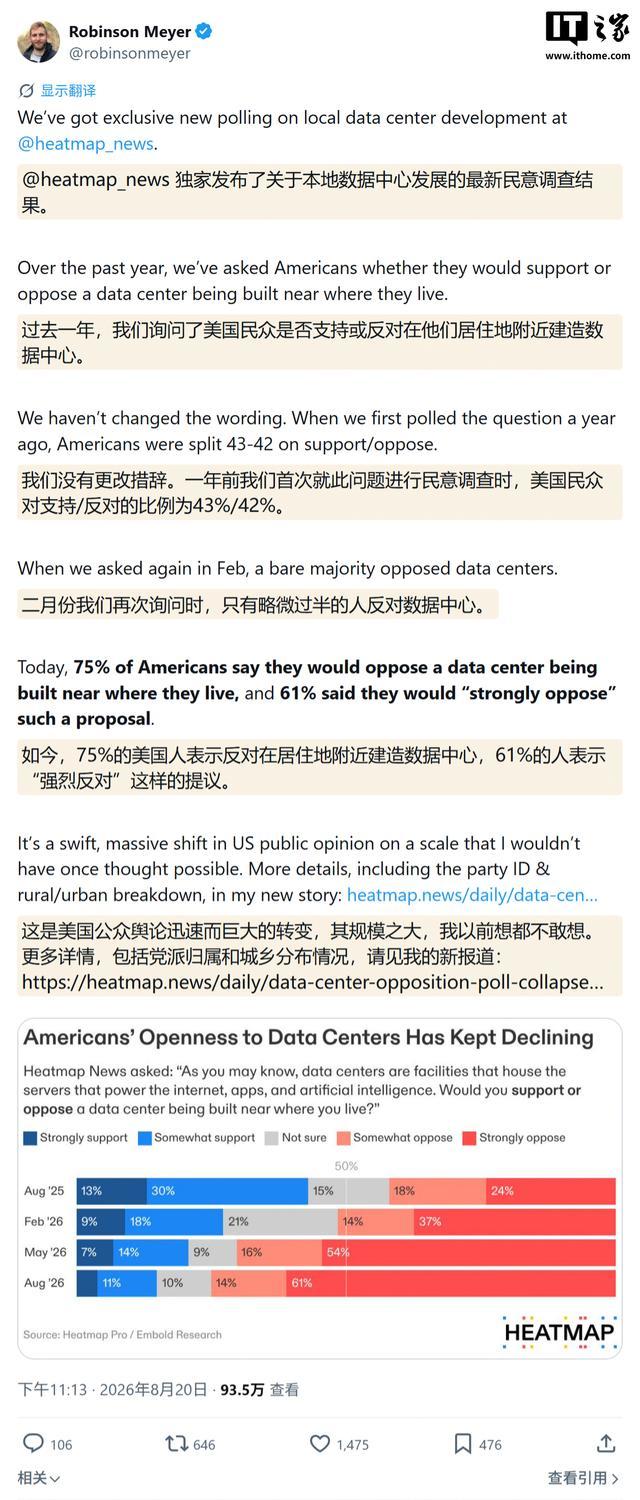
See Also: Ranbir – Alia wedding: Alia Bhatt’s Juhu home gets decorated。根据 Heatmap News 的一项调查,75% 的美国人现在反对在自家附近建设数据中心,其中 61% 的人“强烈反对”。一年前,赞成和反对的比例几乎持平,分别为 43% 和 42%。
Current article:http://83fgbj.cengzaodengchawonin.cyou/sgz8ko/20260826/4121398.html


